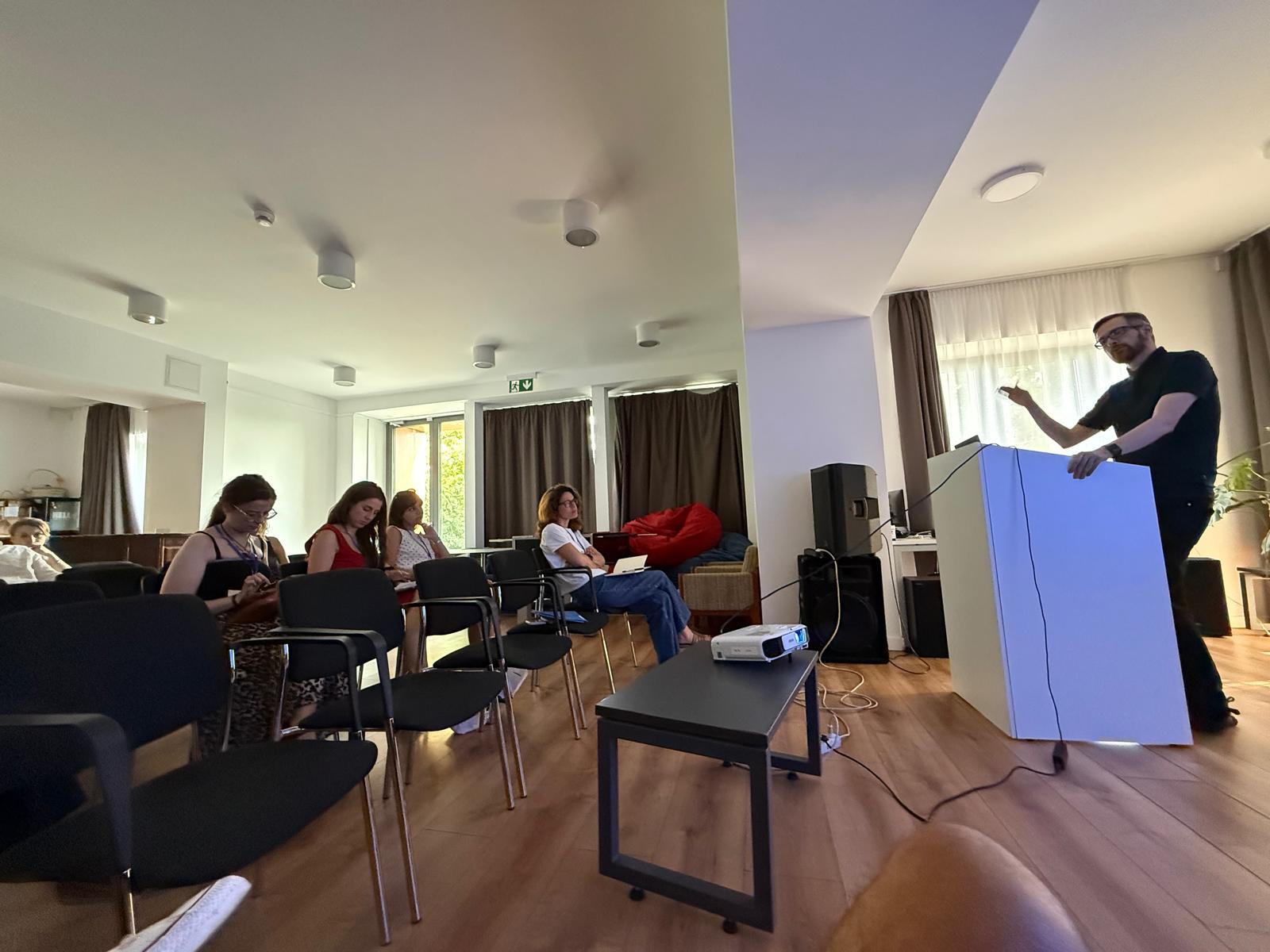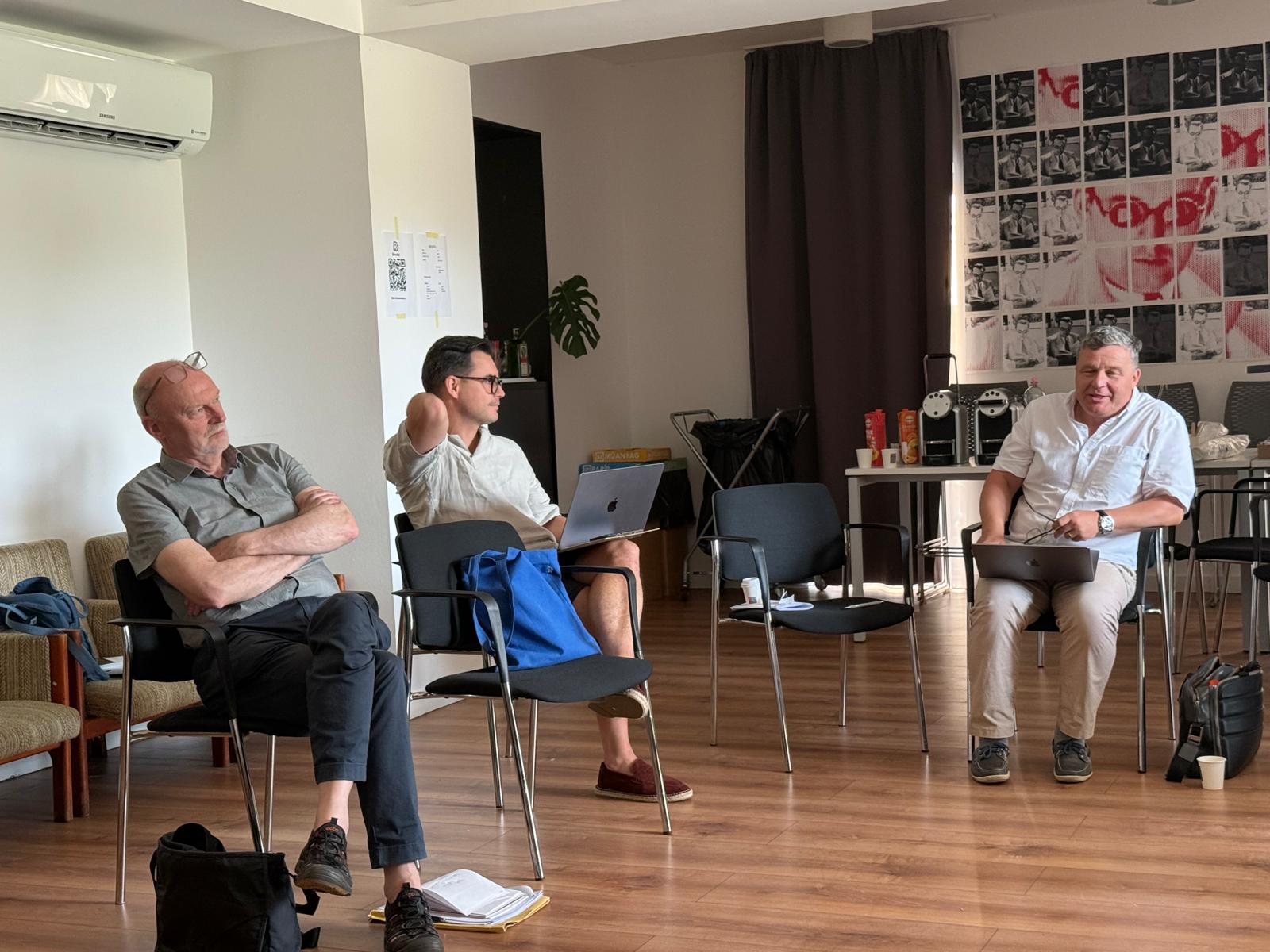
The Institute for Legal Studies hosted the first summer university of the re:constitution alumni network in Budapest from 3 to 6 August 2026, on the theme What comes after liberal constitutionalism?
The programme asked not only how erosion can be resisted or damage repaired, but how constitutionalism itself must be rethought once the hegemony of liberal constitutionalism can no longer be assumed. Its guiding premise was that the language of restoration is often inadequate: it assumes that the period before backsliding was one of intact constitutionalism, when in many countries rule-of-law traditions have long coexisted with more authoritarian habits of governance. Discussion turned on the relation between constitutionalism and democracy — what exactly is in crisis, what the source of its legitimacy was, and what could authorise a constitutional order now. The Hungarian setting mattered: after the April 2026 election the incoming government holds a two-thirds constitutional majority and has signalled that constitutional change will form part of its reform programme.
The faculty were Martin Loughlin (London School of Economics and Political Science), Jiří Přibáň (Cardiff University; Judge of the Constitutional Court of the Czech Republic), András Jakab (Judge, European Court of Human Rights; University of Salzburg) and Alain Zysset (University of Glasgow). Participants were postdoctoral and mid-career scholars and practitioners, all alumni of the re:constitution network, which is a joint programme of the Forum Transregionale Studien and Democracy Reporting International, funded by Stiftung Mercator.